
Bali
Manta Rays & Mola Mola
Best Nusa Penida Diving Sites
Nusa Penida is one of the most exciting dive destinations in Bali. It is the only area around Bali where you can
regularly see manta rays all year round, and where sightings of the famous
oceanic sunfish (Mola Mola) are most likely, especially between July and October.
Expect healthy reefs, colorful corals, turtles, eagle rays, reef sharks, blue-spotted stingrays, lionfish,
moray eels, scorpionfish, octopus, triggerfish, barracuda, trevally, snapper, butterflyfish, and much more.
Quick answer: what are the best dive sites in Nusa Penida?
The most famous and rewarding dive sites in Nusa Penida are SD, Crystal Bay,
Gamat Bay, Manta Point, and Toyapakeh. East Nusa Penida also has
excellent advanced sites such as Sampalan, Karang Sari,
Batu Abah, and Malibu.
Important safety note
Currents around Nusa Penida and Nusa Lembongan can be very strong and highly unpredictable.
Currents of 4 knots are not unusual, and many dives are drift dives.
Diving here is not recommended for beginners without proper supervision. Always dive with an experienced local guide,
follow the briefing carefully, and monitor your air and depth closely.
The most beautiful scuba diving sites in Nusa Penida
Nusa Penida Diving: Sekolah Dasar (SD)
SD, short for Sekolah Dasar (“primary school” in Indonesian), is a popular dive site on the north coast
of Nusa Penida. It is located roughly 50 meters (164 feet) from the shoreline, opposite a school.
This is one of the more approachable sites in the area and can work well for divers building experience, especially when conditions are calm.
There are sandy areas where instructors can review basic skills, and the reef slope drops progressively to deeper water.
Once in the water, divers often explore shallow coral gardens before following the slope. Many profiles stay around
12 meters (39 feet), though the site itself descends much deeper.
- Level: Beginner to intermediate, depending on conditions
- Typical depth: 12 m (39 ft)
- Maximum area depth: around 30 m (98 ft)
- Best for: Coral shelves, sponges, reef fish, skill-building
Read also:
Nusa Penida | Places Not To Be Missed
Nusa Penida Diving: Crystal Bay
Crystal Bay is one of the best-known dive sites in Nusa Penida and one of the most visited. Visibility can be outstanding,
which is exactly why the site became famous. Turtles, reef fish, and vibrant corals are common highlights.
It is also one of the sites most associated with Mola Mola sightings, especially when cooler water rises from the depths.
At the same time, this is not a site to underestimate: strong currents and rip currents can make the dive challenging and sometimes very sporty.
First-time scuba dive to 18 meters (59 feet) in Crystal Bay
Many divers remember Crystal Bay as one of their most beautiful dives in Bali because of the clarity of the water and the rich marine life.
With the right guide and the right conditions, it can be unforgettable.
- Recommended level: Intermediate and above when current is present
- Typical dive depth: 18 m (59 ft)
- Visibility: Very good to excellent
- Main highlights: Turtles, colorful corals, reef life, possible Mola Mola
Nusa Penida Diving: Gamat Bay
Gamat Bay is another outstanding site on the west side of Nusa Penida, known for its healthy reef, strong biodiversity,
and the possibility of seeing turtles, rays, and large schools of fish.
A world-class site for aquatic diversity
This site is also known for encounters with the Titan triggerfish, which can reach about
40 cm (16 inches). It is territorial and can be aggressive around its nesting area, so it is important
to stay calm, keep your distance, and follow your guide’s advice.
Nusa Penida Diving: Manta Point
Manta Point is one of the most famous dive sites in Bali. Located in the southeast of Nusa Penida, it is reached by boat
in around 40 minutes from the port of Toyapakeh, depending on sea conditions.
Manta rays: pure grace underwater
This is the place where manta rays come to visit cleaning stations. Two coral formations are especially well known for attracting them.
Watching mantas circle slowly overhead is one of the most beautiful underwater experiences in Bali.
- Currents can be strong, and divers often consume more air than expected while watching mantas.
- Always check your pressure gauge and monitor the remaining air in your tank.
- Ascents require particular care because the site is very popular and there are often many boats above.
Nusa Penida Diving: Toyapakeh
Toyapakeh is one of the most colorful dive sites in Nusa Penida and lies close to the main harbor area.
The reef is vibrant, the fish life is abundant, and visibility is often very good, which is also why the area is popular for snorkeling.
Currents here can also be powerful, so divers need to watch their remaining gas carefully and avoid rushing ascents.
Can you see Mola Mola here?
Nusa Penida is one of the best places in Indonesia to encounter the Mola Mola, especially between
June and October. Adults can grow to around 1.8 meters (5.9 feet) and weigh roughly
1,000 kg (2,205 lb). They rise from deeper water to visit cleaning stations and warm up in shallower zones.
East Nusa Penida Dive Sites
The east coast of Nusa Penida is less visited and often feels wilder and more preserved. It offers beautiful dives with healthy corals,
dramatic topography, and more adventurous conditions. Some sites are suitable for a broad range of divers, while others are strictly for advanced divers.
Sampalan
Named after the port of Sampalan, this site has moderate current, rich coral patches, large barrel sponges, and plenty of reef life.
It is a rewarding site for photographers and macro lovers too.
- Level: Beginner to expert
- Max depth: 30 m (98 ft)
- Visibility: Good to average
- Temperature: 19–29°C (66.2–84.2°F), average 25°C (77°F)
- Current: None to strong
Karang Sari
A little more sheltered than some other drift sites, Karang Sari has a broad plateau and a gentler slope that can work well for less experienced divers,
while still offering blue-water surprises for advanced divers.
- Level: Beginner to expert
- Max depth: 35 m (114 ft)
- Visibility: Very good to average
- Temperature: 18–29°C (64.4–84.2°F), average 24°C (75.2°F)
- Current: Low to high
Batu Abah
Batu Abah is one of the most coveted dive sites in Nusa Penida. It is difficult not only because of sea conditions,
but also because the site lies in a highly protected area of the marine reserve.
Strong and shifting currents, undertow, and exposed conditions make this a site for highly experienced divers only.
The reward can be exceptional: large pelagics, sharks, giant trevally, tuna, oceanic mantas, and Mola Mola.
- Level: Expert / research / conservation
- Max depth: 35 m (114 ft)
- Visibility: Good to average
- Temperature: 18–29°C (64.4–84.2°F), average 24°C (75.2°F)
- Current: None to strong, with undertow
Malibu
Malibu is one of the wildest sites on the east coast of Nusa Penida. It is famous for sudden changes in current and conditions,
and should be reserved for seasoned divers with strong buoyancy control and situational awareness.
The drop-off is spectacular, coral colonies are beautiful, and the blue water can deliver almost anything:
Mola Mola, eagle rays, blacktip sharks, and more.
- Level: Good to expert
- Max depth: 35 m (114 ft)
- Visibility: Very good to average
- Temperature: 18–29°C (64.4–84.2°F), average 24°C (75.2°F)
- Current: Weak to very strong
Dive into Adventure: Nusa Penida’s Dive Sites, Activities & Speed Boat Access
Nusa Penida is not only one of Bali’s best diving destinations, it is also one of the island’s most dramatic day-trip and overnight escapes.
Alongside world-class diving and snorkeling, the island is famous for spectacular viewpoints and beaches.
Popular must-see places include Diamond Beach, Kelingking Beach, Atuh Beach,
Broken Beach, Angel’s Billabong, and Crystal Bay.
If you want one unforgettable wildlife experience in Bali, put swimming with manta rays near the top of your list.
It is one of the most memorable underwater encounters in Indonesia.
Final thoughts
Nusa Penida offers some of the most exciting diving in Bali, from beginner-friendly reef areas to advanced drift dives with pelagic action.
Whether your dream is to see manta rays, Mola Mola, coral gardens, reef sharks, or strong blue-water drift diving, this island delivers an exceptional underwater experience.
If you have already explored the best Nusa Penida diving sites, we would love to hear which one was your favorite.
Sources:
CleverlySmart,
PinterPandai
Related reads:
Nusa Lembongan or Nusa Penida
•
The Best Dive Spots in Bali
•
From Bali to Nusa Penida
Have you booked your private villa in Seminyak Center?
Located in Seminyak Center, Bali, Villa Carissa offers a private swimming pool and enclosed garden for complete privacy.
Whether you’re traveling with family, friends, or on a romantic getaway, it is a peaceful base for exploring Bali and relaxing in comfort.
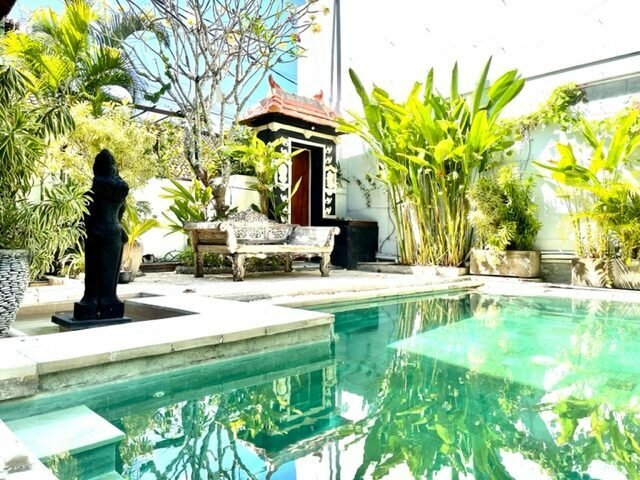
Villa Carissa in Seminyak Center

Your article helped me a lot, is there any more related content? Thanks!
Hi Michael, thank you!
You can visit: Komodo Island for example. It takes 1 hour 20 minutes by airplane from Bali.