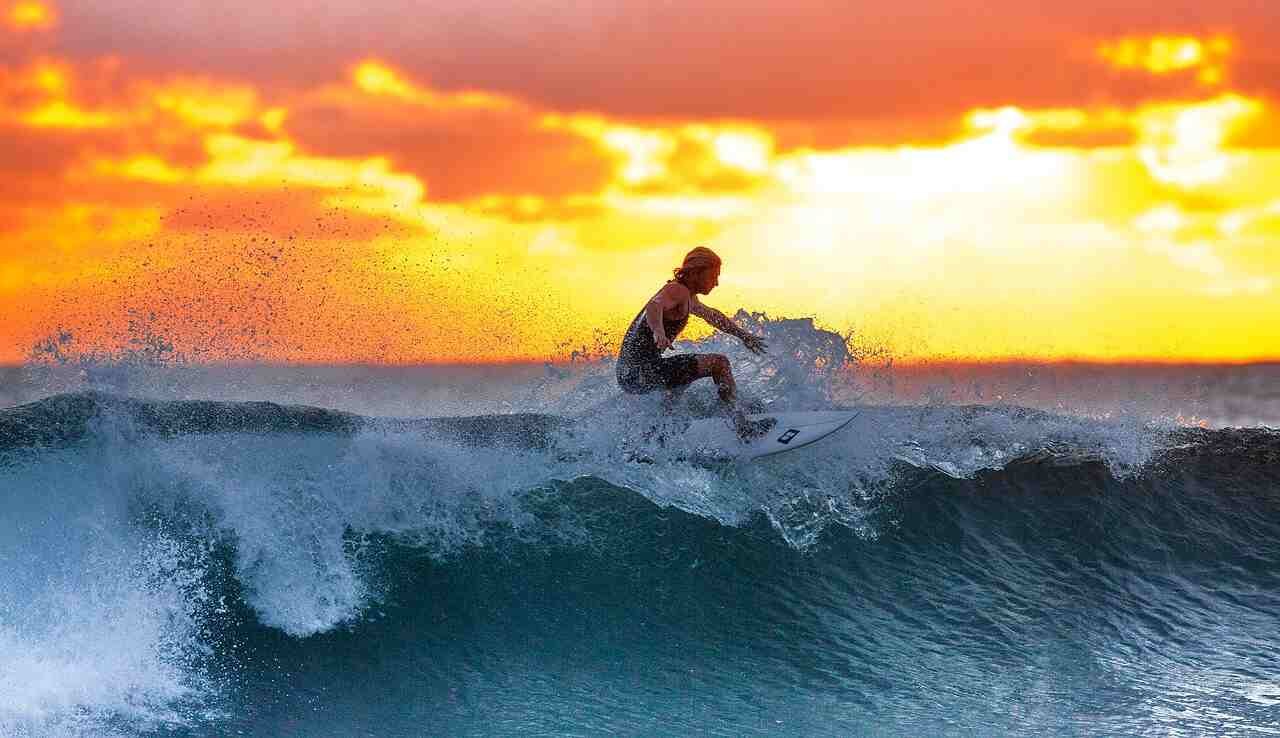
Beginner to Expert
West Coast • East Coast • Bukit
Best Spots to Surf in Bali
Bali is one of the world’s great surf destinations. From beginner-friendly beach breaks in Kuta and Canggu
to world-class reef waves in Uluwatu, Padang Padang, and Keramas, the island offers surf for every level.
Bali’s main surf season usually runs from April to October, when strong swells hit the west-facing reefs.
During this period, waves are often around 1 to 2 meters (3.3 to 6.6 ft) in average conditions, though they can be much bigger on strong swell days.
During the wet season, the east coast often becomes the better option because of offshore winds.
Quick answer: where are the best surf spots in Bali?
The most famous surf spots in Bali include Uluwatu, Kuta, Seminyak,
Canggu, Balangan, Padang Padang, Medewi,
Nusa Dua, Bingin, Dreamland, Impossibles,
Keramas, Serangan, Green Bowl, and Gunung Payung.
When to surf in Bali
During the dry season (May to October), the west coast is usually best.
Air and water temperatures are often around 28°C (82.4°F).
During the wet season, air temperature is often around 30°C (86°F) and the
east coast becomes more attractive because of offshore winds.
The very best surf spots in Bali
Bali is renowned for world-class surfing. This guide highlights the best beaches, reef breaks, and points around the island,
with notes on conditions, skill level, and what makes each place special.
1. Uluwatu: the legendary surf spot
Uluwatu is one of Bali’s most iconic surf spots and a must-visit for serious surfers. Located on the southwestern edge of the Bukit Peninsula,
it offers dramatic cliffs, a famous cave entry, and powerful reef waves that can reach around
3 meters (10 ft) or more on strong days.
This is a fast left-hand reef wave with sections that can barrel beautifully. It generally works best at
mid tide to high tide, especially during the dry season from May to October.
Uluwatu is a surfers’ haven with powerful waves, stunning cliffs, and one of the most unforgettable surf atmospheres in Bali.
Be careful with currents and entry/exit timing. Access is through a narrow opening in the cliff, and missing the return line-up exit can mean a long paddle.
At low tide, the reef becomes very shallow and unforgiving.
If you are not surfing, it is still one of the best spectator spots in Bali. Watching barrels at sunset from the cliffside is unforgettable.
2. Learn to surf in Seminyak, Kuta, and Canggu
If you want to learn surfing in Bali, the easiest starting points are usually Kuta, Seminyak,
and parts of Canggu. These areas are famous because many waves break on sand rather than coral, making them more forgiving for beginners.
Typical wave size here can reach around 1.8 meters (6 ft), though beginner conditions are often smaller.
Board rentals and lessons are easy to find, and many surf camps operate in these areas.
Kuta
Kuta is one of Bali’s classic beginner beaches. The sand-bottom waves and easy board rental scene make it one of the most accessible places to take a first lesson.
Seminyak
Seminyak offers a lively surf atmosphere with a mix of beginner-friendly days and more challenging sections depending on swell.
It is also ideal if you want surf plus cafés, restaurants, and nightlife.
Canggu
Canggu is one of Bali’s surf capitals. Batu Bolong is popular with beginners, Echo Beach is more powerful, and Berawa can be a good alternative when you want fewer people in the line-up.
- Batu Bolong (Old Man’s): long, gentle waves for beginners and longboarders
- Echo Beach: more powerful A-frame waves and a more competitive line-up
- Berawa: a slightly mellower option on the right day
3. Balangan Beach: from beginner to advanced
Balangan is a Bukit surf spot not far from New Kuta Golf.
It is a beautiful left-hand reef break with a dramatic limestone backdrop.
On smaller swells and higher tides, beginners can sometimes take lessons here. But on stronger swell, especially at lower tide,
Balangan becomes faster, hollower, and far less forgiving over coral.
Board rentals and instructors are often available at the beach warungs. Morning sessions are often the cleanest.
4. Padang Padang Beach: iconic and demanding
Padang Padang is one of Bali’s most legendary surf spots and one of the most famous left-hand waves on the island.
It is also one of the most photographed.
The wave offers multiple sections and can become very serious when the swell is strong. The atmosphere in the water can be highly competitive,
especially when it is firing. Always study the line-up before paddling out.
Even if you do not surf it, this is one of the best places in Bali to watch experienced surfers from the cliffs with a drink and a snack.
5. Medewi Beach: Bali’s long left
Medewi is a peaceful village in West Bali and home to one of the longest left-hand rides on the island.
It is especially loved by longboarders, but shortboarders also enjoy the speedier inside sections.
The setting is more traditional and less hectic than South Bali. If the main point is crowded, nearby waves can still offer good options.
The bottom is mixed, with pebbles, rocks, and sandy sections. It can work on many tides and is a great contrast to the more intense Bukit reefs.
6. Nusa Dua: powerful East Coast surf
Nusa Dua is better known for luxury resorts, but surfers know it for a complex zone of reef waves including Temple Lefts, Elevators,
Keyhole Left, Keyhole Right, Main Peak, and Chickens.
These waves are often best in the wet season (October to April) when the east side benefits from offshore winds.
Access can be difficult because of the sharp reef and distance from the beach.
This is not a beginner surf area. It is best for experienced surfers who are comfortable with reef, current, and larger surf.
7. Bingin Beach: for intermediate and advanced surfers
Bingin is one of the most photogenic lefts in Bali and a true tube machine.
It breaks over a shallow volcanic slab and can function on many tides and swell directions.
Depending on tide and swell, the water above the reef can be only around
30 to 60 cm (12 to 24 inches), so falls can be punishing.
It is crowded, competitive, and beautiful. If you know how to surf tubes well, it can be one of the highlights of a Bali surf trip.
8. Dreamland Beach: accessible and fun
Dreamland sits between Bingin and Balangan and is famous for its bright turquoise water.
Unlike many of the Bukit’s sharper reef waves, Dreamland is more approachable because it is more beach-break oriented,
though conditions still vary with tide and swell.
It can offer both right and left waves and is one of the more flexible options for surfers who want something fun without the full intensity of the heaviest Bukit reefs.
9. Impossibles Beach: experienced surfers only
Located near Uluwatu,
Impossibles is a long, fast, powerful left over reef.
Reaching the main take-off often means paddling around 400 meters (1,312 ft), and the wave has several sections that can close quickly.
It is rewarding in the right conditions, but it is not for casual intermediate surfers.
Be in good physical shape, and always study entry and exit zones before paddling out.
10. Keramas Beach: East Bali power
Keramas is one of Bali’s most famous right-hand reef breaks and one of the best East Coast options in the wet season.
It lies between Padang Bai and Sanur.
It is fast, often tubular, and can be extremely good when winds line up. It has hosted international surf events and remains a favorite among high-level surfers.
The strong currents, reef, and local/pro presence make it less suitable for beginners.
11. Serangan Beach
Serangan is one of Bali’s most versatile surf spots, with rights and lefts that can suit beginners through intermediate surfers depending on conditions.
It can work on high, mid, and lower tides. The bottom is reef-based, but the set-up is often easier than some of Bali’s heavier Bukit spots.
Warungs nearby make it easy to refuel between sessions.
Access is via the bypass route between Sanur and Kuta, followed by a rougher road toward the beach.
12. Green Bowl Beach: hidden and powerful
Green Bowl is a hidden gem in South Bali, reached by a long staircase. It is more isolated than many better-known spots and can offer long, hollow lines in clear water.
It is best suited to intermediate and advanced surfers, especially because of its strong currents and reef set-up.
At high tide, beach access can become difficult.
After a long session, the climb back up can feel serious, especially after more than two hours in the water.
13. Gunung Payung Beach
Gunung Payung lies between Nusa Dua and Green Bowl in South Bukit. It is more secretive, less serviced, and often much less crowded than the island’s headline spots.
It has similarities to Green Bowl, but one of its great advantages is that you may have far more space in the water.
Bring your own water and snacks, because facilities are limited.
For surfers looking for “virgin” waves and a more off-the-radar feel, this can be a very special session.
Final thoughts
Bali offers some of the best surf spots in the world, from beginner beach breaks to technical reef waves for experts.
Whether you want your first take-off in Kuta or Seminyak, clean walls in Canggu, classic long rides in Medewi, or heavy reef surf in Uluwatu and Padang Padang,
Bali has a wave for you.
Safety always comes first. Watch the tide, currents, reef, and crowd level carefully. If you are less experienced, use a reputable instructor or local surf guide.
Related article:
Water sports places in Bali
•
The best beaches in Bali
Have you secured your villa in the heart of Seminyak?
Villa Carissa in Seminyak Center is a practical and elegant base for exploring Bali’s surf coasts.
Stay close to restaurants, nightlife, and day-trip routes while enjoying your own private pool villa after a session.
Whether you are traveling as a couple, with friends, or with family, Villa Carissa’s three-bedroom villa offers comfort, privacy,
Balinese design, and easy access to Bali’s beaches and surf destinations.
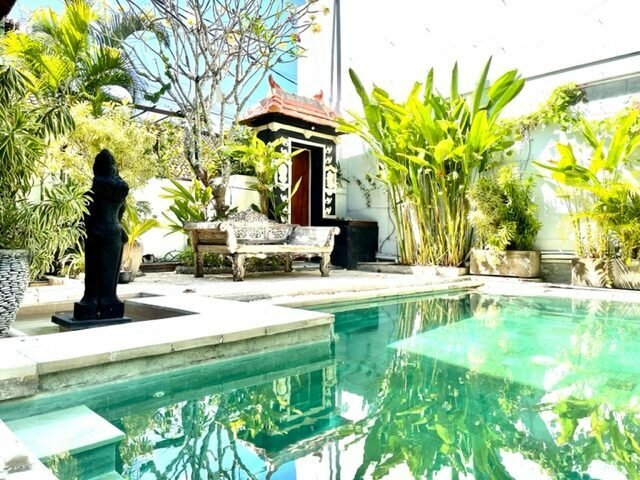
Villa Carissa in Seminyak Center

Wow, Uluwatu is an incredible surfing spot! Your deep insights and unique perspective are truly impressive. Why Uluwatu? I’d love to hear more about what makes it stand out.
Uluwatu is a special place for surfers with its powerful waves and beautiful coastal scenery, providing a unique and memorable surfing experience. Safety is key, especially for less experienced surfers, so be cautious, stay aware of ocean conditions, and consider guidance from local surf instructors. Prioritize safety and follow local advice to enjoy surfing responsibly.