
Best Places to Visit in Bali: 31 Attractions, Temples, Beaches and Hidden Gems
Planning a trip to Bali can be difficult because the island offers much more than
beaches. Bali combines temples, rice terraces, volcanoes, waterfalls, coral reefs,
traditional villages, busy resort towns and quiet mountain regions.
This guide explains 31 of the best places to visit in Bali, what makes each one
special, how long to spend there and which destinations work well together.
Temples and culture
Beaches and islands
Volcanoes and rice terraces
Bali is one of Indonesia’s most rewarding destinations because it brings together
living culture and traditions
,
Hindu temples, volcanic beaches, tropical valleys, waterfalls, rice terraces,
surf breaks and elegant coastal resorts.
A short trip can focus on South Bali and Ubud. With ten days or two weeks, you can
also include Uluwatu, Sidemen, Amed, Bedugul or a nearby island.
Why Bali Is Worth Visiting
- Historic temples and living religious traditions
- Surf beaches and dramatic limestone cliffs
- Rice terraces, jungle valleys and waterfalls
- Volcano hikes and crater-lake scenery
- Snorkeling, diving and coral reefs
- Excellent restaurants, spas and private villas
- Traditional villages, markets and local food
Bali is most rewarding when you combine its famous landmarks with quieter
villages, countryside and time to experience local culture.
Quick Answer: What Should You Not Miss in Bali?
For a first visit, prioritize Ubud, Seminyak, Uluwatu Temple, Tanah Lot, Mount
Batur, Nusa Penida, Jatiluwih, Bedugul, Amed and Sidemen.
- Ubud
- Denpasar
- Seminyak and Kuta
- Uluwatu Temple
- Amed
- Jimbaran
- Mount Batur
- Canggu
- Tanjung Benoa
- Tanah Lot
- Nusa Penida
- Nusa Lembongan
- Jatiluwih
- Bedugul
- Candidasa
- Padangbai
- Tirta Gangga
- Lempuyang Temple
- Kintamani
- Tampaksiring
- Lake Bratan
- Lovina
- Lake Batur
- Tuban
- Sidemen
- Banjar
- Klungkung
- Tenganan
- Trunyan
- Bali museums
- Food, nightlife and activities
How to Use This Bali Attractions Guide
Bali traffic and travel time can be substantial. Avoid planning attractions only
according to their distance on a map. Instead, group places by region.
South Bali
Seminyak, Kuta, Jimbaran, Uluwatu, Tuban, Nusa Dua and Tanjung Benoa.
Central Bali
Ubud, Tampaksiring, Gunung Kawi, Tirta Empul and nearby rice terraces.
East Bali
Sidemen, Candidasa, Padangbai, Tirta Gangga, Lempuyang and Amed.
North and Highland Bali
Bedugul, Lake Bratan, Lovina, Banjar, Kintamani and Lake Batur.
trying to visit the entire island from one hotel. This reduces time spent in
traffic and creates a more relaxed holiday.
1. Ubud: Bali’s Cultural and Artistic Centre
Ubud is one of the best places to experience Balinese art, dance, temples, markets and
tropical scenery. It is also a useful base for exploring central Bali.
The centre can be busy, but quieter villages, rice fields and walking routes are
only a short distance away.
- Sacred Monkey Forest Sanctuary
- Ubud Palace
- Ubud Art Market
- Campuhan Ridge Walk
- Museums and art galleries
- Nearby rice terraces and temples
From Seminyak: Allow approximately 1.5 to 2.5 hours depending
on traffic and your destination in Ubud.
2. Denpasar: Markets, Museums and Everyday Balinese Life
Denpasar is Bali’s provincial capital. It is less focused on tourism than
Seminyak or Ubud and offers a better view of everyday urban life.
Visitors can explore traditional markets, monuments and museums. Denpasar is also
useful when combining a city visit with nearby Sanur.
- Bajra Sandhi Monument
- Bali Museum
- Badung Market
- Cathedral
- Jagatnatha Temple
- Nearby Sanur
3. Seminyak and Kuta: Bali’s Famous Resort Coast
Kuta is lively, busy and known for beginner surfing, shopping and nightlife.
Seminyak is more refined, with private villas, beach clubs, restaurants and
boutiques.
Why Stay in Seminyak?
Seminyak is a practical base for travelers who want restaurants, shopping,
beaches and nightlife within a relatively compact area.
Read the complete guide to
things to do in Seminyak
Why Visit Kuta?
Kuta remains suitable for travelers seeking affordable accommodation, surf
lessons and a busy atmosphere. It is also close to the airport.

Christophe95 via Wikimedia Commons
,
licensed under
CC BY-SA 4.0
.
4. Uluwatu Temple and the Bukit Peninsula
Uluwatu Temple
stands on a high cliff above the Indian Ocean. It is one of Bali’s most dramatic
temples and an excellent sunset destination.
The area is also famous for beaches, surf breaks and the evening Kecak dance.
- Uluwatu Temple
- Kecak dance performance
- Padang Padang Beach
- Bingin Beach
- Balangan Beach
hats, phones or loose objects. Keep belongings secure and do not attempt to
recover an item without help from staff.
5. Amed and the Volcanic Coast of East Bali
Amed is a peaceful area of fishing villages, black beaches and coral reefs.
It is one of Bali’s best regions for snorkeling and diving. Nearby Tulamben is
known for the USAT Liberty shipwreck.
- Jemeluk Bay
- Lipah Beach
- Japanese shipwreck snorkeling area
- USAT Liberty wreck in Tulamben
- Sunrise views toward Mount Agung
6. Jimbaran Bay
Jimbaran is known for its broad beach, calmer water and seafood restaurants set
directly on the sand.
It is a convenient base for Uluwatu and the airport. The bay is particularly
popular for sunset dinners.
- Jimbaran Beach
- Seafood restaurants
- Garuda Wisnu Kencana
- Access to Uluwatu and the Bukit Peninsula
Read more about
dinner on Jimbaran Beach
7. Mount Batur Sunrise Hike
Mount Batur rises to approximately 1,717 metres (5633 ft) and is Bali’s best-known sunrise hike.
Most excursions begin very early. The route is steep in places, so suitable shoes,
water and a warm layer for the summit are recommended.

Mount Batur: An active volcano standing 1,717 meters (5633 ft) high in Kintamani, Bali, famous for its dramatic double caldera, vast crater lake, and popular early-morning sunrise treks. Arthamade, CC BY-SA 4.0, via Wikimedia Commons
Kintamani stay reduces the amount of driving required before the hike.
8. Canggu
Canggu combines surf beaches, cafés, restaurants, fitness studios and nightlife.
It has grown rapidly and can be congested, but it remains popular with younger
visitors and longer-stay travelers.

Batu Bolong Beach, Canggu: Located at the heart of Canggu, this vibrant dark-sand beach is renowned for its consistent surf breaks, lively beach clubs, and panoramic sunset views over the Indian Ocean. Alharomain354, CC BY-SA 4.0, via Wikimedia Commons
- Batu Bolong Beach
- Echo Beach
- Berawa Beach
- Surf schools
- Cafés and beach clubs
9. Tanjung Benoa Water Sports
Tanjung Benoa is known for motorized and recreational water activities. The
sheltered coast is used for parasailing, jet skis, banana boats and other
activities.

Water Sports in Tanjung Benoa: Skimming across the calm, sheltered waters of Tanjung Benoa peninsula—Bali’s premier hub for thrilling marine activities, including jet skiing, parasailing, banana boat rides, and underwater sea walking. Pinterpandai.com, CC BY-SA 3.0, via Wikimedia Commons
Choose an established operator, confirm insurance coverage and check what safety
equipment is included.
See the guide to water sports in Bali
10. Tanah Lot Temple
Tanah Lot is one of Bali’s most recognized sea temples. Its offshore position creates a
striking silhouette, especially near sunset.

Tanah Lot Temple: Perched dramatically on an offshore rock formation along Bali’s southwestern coast, this iconic 16th-century Hindu sea temple (Pura Tanah Lot) is famous for its stunning sunset views and ancient spiritual heritage. Pinterpandai, CC BY-SA 4.0, via Wikimedia Commons
The site can become crowded in the late afternoon. Arrive earlier to explore the
surrounding paths before the main sunset period.
11. Nusa Penida
Nusa Penida is famous for high limestone cliffs, blue water and dramatic coastal
viewpoints.

Broken Beach (Pasih Uug): Located on the southwestern coast of Nusa Penida island, this unique natural wonder features a massive sunken cove and a dramatic limestone archway that allows ocean waves to flow continuously into a turquoise pool. I Ketut Arnaya, CC BY-SA 4.0, via Wikimedia Commons
- Kelingking Beach
- Broken Beach
- Angel’s Billabong
- Crystal Bay
- Diamond Beach
- Atuh Beach
Travel Tip: While day trips from mainland Bali are popular,
they often feel rushed due to distance and narrow, winding roads.
Staying 1 to 2 nights gives you a much better pace,
letting you visit major spots before the ferry crowds arrive and saving you from crisscrossing the island in a single day.

Kelingking Beach, Nusa Penida: Renowned for its iconic T-Rex–shaped coastal cliff formation, turquoise waters, and secluded white sand beach below, Kelingking Beach is one of the most famous scenic viewpoints in Indonesia. Sasuke shinozawa, CC BY-SA 4.0, via Wikimedia Commons
exposed terrain. Wear proper footwear and do not cross barriers for photographs.
12. Nusa Lembongan and Nusa Ceningan
Nusa Lembongan is smaller and generally easier to explore than Nusa Penida. It is
known for snorkeling, mangroves, beaches and relaxed island accommodation.
A bridge connects Lembongan with Nusa Ceningan, allowing both islands to be
explored during the same stay.
- Mangrove forest
- Dream Beach
- Devil’s Tear
- Yellow Bridge
- Snorkeling and diving
13. Jatiluwih Rice Terraces
Jatiluwih offers one of Bali’s broadest and most impressive rice landscapes. The
area is part of Bali’s UNESCO-recognized cultural landscape connected with the
traditional subak irrigation system.
Walking and cycling routes allow visitors to experience the terraces beyond the
main viewpoint.

Imacim via Wikimedia Commons,
licensed under CC BY-SA 4.0
14. Bedugul and the Central Highlands
Bedugul has a cooler climate than South Bali and is surrounded by lakes, gardens,
mountain roads and market villages.

Pura Ulun Danu Bratan: Built in 1633, this iconic Hindu water temple seems to float gracefully on the calm waters of Lake Bratan in the cool highlands of Bedugul, Bali. Dedicated to Dewi Danu, the goddess of water, lakes, and rivers, it is one of Bali’s most famous and sacred landmarks. LukeTriton, CC BY-SA 4.0, via Wikimedia Commons
- Ulun Danu Bratan Temple
- Lake Bratan
- Bedugul Botanical Garden
- Candikuning Market
- Nearby waterfalls and viewpoints
15. Candidasa
Candidasa is a quieter coastal base in East Bali. It is convenient for day trips
to traditional villages, temples and water palaces.
- Lotus Lagoon
- Goa Lawah Temple
- Tenganan village
- Virgin Beach
- Access to Tirta Gangga and Lempuyang

Anandajoti Bhikkhu via Wikimedia Commons
, licensed under CC BY-SA 4.0
16. Padangbai and Blue Lagoon
Padangbai is a port for ferries and fast boats to Lombok and the Gili Islands.
It is also a small coastal destination with beaches, snorkeling and diving.

Padangbai Beach, Bali: Looking east across the main beach of Padangbai, a scenic coastal village in East Bali known for its colorful traditional fishing boats (jukung) and busy ferry port. Lasthib, CC0, via Wikimedia Commons
- Blue Lagoon
- Bias Tugel Beach
- Padangbai Beach
- Silayukti Temple
- Ferry and speedboat connections
17. Tirta Gangga Water Palace
Tirta Gangga is a royal water garden with fountains, pools, sculptures, stepping stones and
landscaped grounds.

Tirta Gangga Water Palace: Built in 1946 by the last Raja of Karangasem, this former royal water palace in East Bali, named after the sacred Ganges—was restored after the 1963 eruption of Mount Agung and remains a popular tourist destination. S A B R I N A B A L I, CC BY-SA 4.0, via Wikimedia Commons
It combines well with Lempuyang Temple, Amed or Sidemen as part of an East Bali
itinerary.
18. Lempuyang Temple
Lempuyang is associated with the famous “Gates of Heaven” view toward Mount
Agung. The lower temple is the most visited section, while the complete pilgrimage
route involves a much longer climb.

Pura Penataran Agung Lempuyang: The ornate Naga-carved staircases leading up to the split gates and sacred inner courtyard (jaba tengah) of Pura Penataran Agung Lempuyang, located on the slopes of Mount Lempuyang in Karangasem, Bali. Slleong, CC0, via Wikimedia Commons
The mirror effect seen in many photographs is normally created by a photographer
using a reflective object rather than by a natural pool.
the temple and mountain setting rather than planning the day around one photograph.
19. Kintamani
Kintamani is a highland region overlooking Mount Batur and Lake Batur. Its cooler
air and volcanic views make it a popular day-trip destination.

Lake Batur, Kintamani: A solitary wooden hut or fish farm shelter standing amidst the calm waters of Lake Batur, Bali’s largest crater lake, set against the dramatic volcanic backdrop of the Kintamani highlands. Made agus devayana, CC BY-SA 4.0, via Wikimedia Commons
- Mount Batur viewpoints
- Lake Batur
- Penelokan viewpoint
- Hot springs
- Mountain cafés
20. Tampaksiring, Tirta Empul and Gunung Kawi
Tampaksiring is an important cultural area north of Ubud. It contains sacred
springs, temples and ancient rock-cut monuments.

Gunung Kawi, Tampaksiring: Tucked deep inside a lush river valley in central Bali, this 11th-century archaeological wonder features ten massive candi (funeral shrines) measuring over 7 meters high, carved directly into the sheer rock face on both banks of the sacred Pakerisan River. Dedicated to King Anak Wungsu and the Warmadewa royal family, the complex offers a peaceful walk past terraced rice paddies, ancient meditation caves, and tranquil jungle streams. Pinterpandai.com, CC BY 3.0, via Wikimedia Commons
- Gunung Kawi
- Tirta Empul
- Mengening Temple
Visitors entering purification pools should follow local instructions, wear the
required clothing and behave respectfully.
21. Lake Bratan and Ulun Danu Bratan Temple
Ulun Danu Bratan appears to float on the lake when water levels are high. The
temple, lake and surrounding mountains create one of Bali’s most recognizable
landscapes.

LukeTriton via Wikimedia Commons
, licensed under CC BY-SA 4.0
22. Lovina and North Bali
Lovina is known for black-sand beaches, calm water and a slower atmosphere than
South Bali.
- Lovina Beach
- Early-morning dolphin trips
- Banjar hot springs
- Brahmavihara-Arama
- North Bali waterfalls

Lovina Beach: Located along the quiet northern coast of Bali, this serene stretch of black volcanic sand is famous for its calm, gentle waters and early-morning boat trips to spot wild dolphins swimming in the open ocean. Ken Eckert, CC BY-SA 4.0, via Wikimedia Commons
distance and avoids surrounding or chasing animals.
23. Lake Batur
Lake Batur lies inside the large volcanic caldera below Mount Batur. The area is
used for fishing, agriculture, village life and hot-spring tourism.
The lake is best explored as part of a Kintamani itinerary rather than as a quick
stop on an overloaded day trip.

Made Agus Devayana via Wikimedia Commons
,
licensed under CC BY-SA 4.0
24. Tuban
Tuban is located close to Bali’s airport. It is useful for the first or final
night of a trip, especially when a flight arrives late or departs early.
- Tuban Beach
- Kelan Beach
- Easy airport access
- Nearby Kuta attractions
25. Sidemen Valley
Sidemen is one of Bali’s most peaceful rural areas. It offers rice fields,
traditional villages, walking routes and views toward Mount Agung.

Sidemen Valley, Bali: Nestled in the shadow of Mount Agung, the tranquil Sidemen Valley is famous for its breathtaking terraced agricultural fields, coconut groves, and traditional Balinese village lifestyle. Adhesaiful, CC BY-SA 4.0, via Wikimedia Commons
It is ideal for travelers who want to slow down after staying in Seminyak or Ubud.
26. Banjar Hot Springs and North Bali Temples
Banjar is known for warm spring pools surrounded by tropical vegetation. It can
be combined with Lovina, Brahmavihara-Arama and nearby waterfalls.
27. Klungkung and Kerta Gosa
Klungkung, also called Semarapura, was an important royal centre. Its best-known
attraction is Kerta Gosa, with painted ceilings, historic court buildings and
landscaped grounds.
- Kerta Gosa
- Floating pavilion
- Klungkung Museum
- Historic royal complex

28. Tenganan Village
Tenganan is associated with Bali Aga traditions, distinctive architecture and
traditional weaving.
Visit respectfully, ask permission before photographing residents and purchase
crafts directly from makers when possible.

Tenganan Village: A glimpse into the peaceful atmosphere of Desa Tenganan, one of Bali’s oldest traditional Bali Aga (indigenous Balinese) villages, renowned for its well-preserved ancient architecture and unique cultural heritage. Arthamade, CC BY-SA 4.0, via Wikimedia Commons
- Tenganan Pegringsingan
- Traditional weaving
- Village architecture
- Nearby Virgin Beach
29. Trunyan Village
Trunyan lies beside Lake Batur and is known for Bali Aga traditions and distinctive
funerary customs.

Trunyan Village: Nestled along the eastern shore of Lake Batur at the foot of Mount Abang, this ancient Bali Aga (indigenous Balinese) settlement is famous for its unique open-air funeral traditions, where bodies are laid under a sacred, fragrant * Taru Menyan* tree that absorbs all decomposition odors. Anggabuana, CC BY-SA 4.0, via Wikimedia Commons
The village is normally reached by boat. It should be approached as a living
community and sacred cultural site, not as a spectacle.
30. Museums and Art Galleries in Bali
Bali’s museums help visitors understand the island’s artistic, historical and
spiritual traditions.
- Puri Lukisan Museum
- Agung Rai Museum of Art
- Neka Art Museum
- Rudana Museum
- Blanco Renaissance Museum
- Bali Museum in Denpasar
Read the complete guide to museums in Bali

Museum Bali, Denpasar: Located in the heart of Denpasar, the Bali Museum (Museum Negeri Propinsi Bali) showcases a rich collection of Balinese art, ethnographic artifacts, prehistoric stone tools, and traditional royal relics within classic palace-style architectural pavilions. Sho Horiuchi, CC0, via Wikimedia Commons
31. Food, Nightlife, Beach Clubs and Outdoor Activities
Bali is not only a sightseeing destination. The island also offers restaurants,
beach clubs, nightlife, surfing, snorkeling, diving, rafting and family-friendly
activities.
Nightlife
Explore bars, clubs and late-night venues in Seminyak, Canggu, Kuta and other
resort areas.

Rooftop Bars
Rooftop venues offer sunset views, cocktails and a different perspective over
Bali’s resort areas.

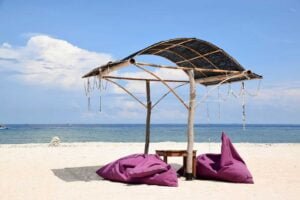
Beach Clubs
Bali’s beach clubs combine pools, food, music and sunset views.
Seminyak Beach Clubs
Seminyak is particularly well known for stylish beachfront venues.

Fine Dining
Bali’s restaurant scene ranges from tasting menus to modern Indonesian
cuisine.
Fine-dining restaurants in Bali

Restaurants in Seminyak
Seminyak offers local food, international restaurants, cafés and bars.

Romantic Dining
Couples can choose from beachfront dinners, private-villa meals and elegant
restaurants.

Water Sports
Tanjung Benoa and other coastal areas offer a broad selection of water
activities.
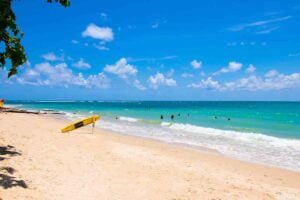
Surfing
Bali offers beginner beaches, reef breaks and advanced surf locations.

Scuba Diving
Popular diving regions include Amed, Tulamben, Nusa Penida and Menjangan.
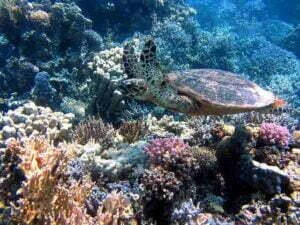
Snorkeling
Amed, Menjangan, Nusa Lembongan and Nusa Penida offer popular snorkeling
areas.
Best snorkeling locations in Bali

White-Water Rafting
The Ayung and Telaga Waja rivers are among Bali’s best-known rafting areas.

How to Get Around Bali?
Bali does not have a convenient island-wide public transport system for
sightseeing. Most visitors use a combination of private drivers, taxis, ride
applications and organized transfers.
- Private driver: Best for full-day regional trips with several
stops. - Taxi or ride application: Practical for shorter journeys in
resort areas. - Scooter: Suitable only for licensed, insured and experienced
riders. - Fast boat: Used for Nusa Penida, Nusa Lembongan and the Gili
Islands.
immediately after returning from an island by boat. Sea conditions and harbour
operations can cause delays.
Read
how to use taxis in Bali
and
safety tips for scooter riders
Suggested Bali Itineraries
Seven Days in Bali
- Days 1–2: Seminyak and South Bali
- Days 3–5: Ubud and central Bali
- Day 6: Uluwatu and Jimbaran
- Day 7: Relax near the departure area
Ten Days in Bali
- Days 1–3: Seminyak
- Days 4–6: Ubud
- Days 7–8: Sidemen or Amed
- Days 9–10: Uluwatu or Jimbaran
Two Weeks in Bali
- Days 1–3: Seminyak
- Days 4–7: Ubud
- Days 8–10: Sidemen and East Bali
- Days 11–12: Amed or North Bali
- Days 13–14: South Bali
Frequently Asked Questions About Visiting Bali
What is the best area to stay in Bali for sightseeing?
Seminyak is practical for beaches, restaurants, shopping and nightlife. Ubud is
better for temples, rice terraces, art and central Bali. Splitting the stay
between two or three regions is usually more efficient than using only one base.
How many days do you need in Bali?
Seven days is enough for South Bali and Ubud. Ten to fourteen days is better
for a first visit because it also allows time for East Bali, North Bali or a
nearby island.
What are the most famous attractions in Bali?
Famous Bali attractions include Ubud, Uluwatu Temple, Tanah Lot, Mount Batur,
Nusa Penida, Jatiluwih rice terraces, Ulun Danu Bratan, Tirta Gangga,
Lempuyang Temple, Amed and Seminyak.
Is Bali suitable for families, couples and groups of friends?
Yes. Bali offers family attractions, romantic villas, nightlife, cultural
activities, outdoor adventures and beaches. The best region depends on the
travelers’ interests and preferred pace.
What is the best time to visit Bali?
Bali can be visited throughout the year. Drier months are often preferred for
beaches, hiking and road trips, while wetter periods can offer greener
landscapes and fewer visitors. Conditions vary by region and day.
Should I stay in one hotel for my entire Bali trip?
Staying in several regions is usually better for trips longer than one week.
Combining Seminyak, Ubud and one quieter region reduces repeated driving and
gives a more varied experience.
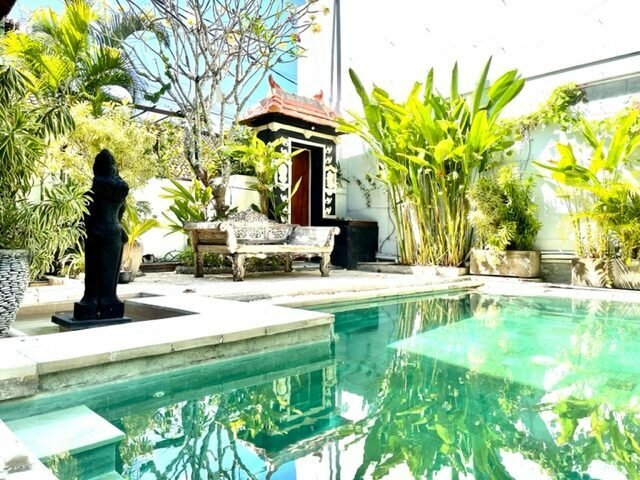
Stay at Villa Carissa in Central Seminyak
Villa Carissa is a private three-bedroom pool villa for up to eight guests in
central Seminyak.
The villa offers a private swimming pool, tropical garden, equipped kitchen,
fast Wi-Fi and comfortable indoor and outdoor living spaces.
Its central location provides easy access to Seminyak’s restaurants, shops,
beaches and nightlife, while also offering a comfortable starting point for Bali
day trips.
Read more:
Hidden Gems in Bali
Thanks for sharing. I read many of your blog posts, cool, your blog is very good. Especially the beautiful Jatiluwih rice terraces!
Thanks Josh, really appreciate it! Jatiluwih is definitely one of our favorite spots.
So many amazing things to do in Bali! Can’t wait to visit Seminyak, Ubud and the beaches.
Absolutely! Seminyak, Ubud and the beaches are a must—hope you enjoy every moment of your Bali trip!